Open 7 Days a WeekEmergency: (780) 488-0124

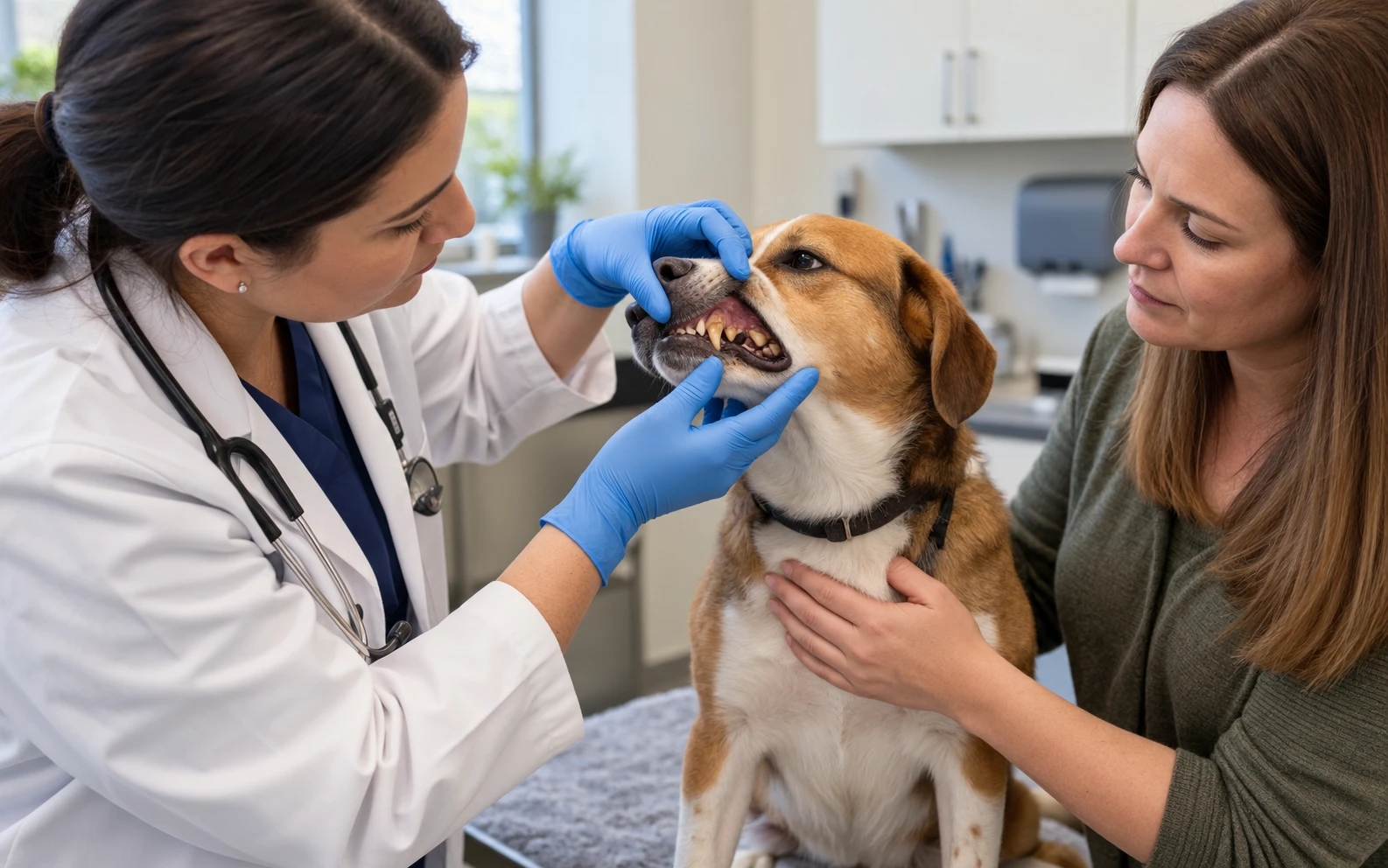
If your dog's breath has become so unpleasant that you avoid getting close to their face, don't assume that strong odor is simply a normal part of owning a dog. Occasional odor after eating may be harmless, but persistent bad breath in dogs can be an early warning sign of plaque buildup, inflamed gums, infection, or periodontal disease.
In some cases, unusual breath can also accompany health problems outside the mouth. Understanding what your dog's breath is telling you can help you recognize dental problems earlier and know when a veterinary examination is appropriate.
Dogs are not expected to have mint-fresh breath, but their mouths should not consistently produce an extremely foul or unusual odor. Persistent bad breath, medically known as halitosis, often develops when bacteria accumulate around the teeth and gums. Plaque can gradually harden into tartar, creating conditions that contribute to inflammation and periodontal disease.
Key takeaway: Persistent, worsening, or unusually foul breath deserves attention rather than being dismissed as "dog breath." Dental disease is extremely common in companion animals. Veterinary sources frequently report that a large proportion of dogs develop some evidence of periodontal disease by around three years of age.
There isn't one single explanation for unpleasant breath. Some causes are relatively minor, while others require professional veterinary care.
Plaque is a sticky film containing bacteria that continuously forms on teeth. Without adequate dental care, plaque can mineralize into harder tartar or calculus. Tartar provides an irregular surface where additional plaque can accumulate, particularly near the gumline.
You might notice:
Visible tartar is one reason a veterinarian may recommend a more detailed oral assessment.
Dog gum disease can begin when plaque bacteria irritate the tissues surrounding the teeth. Early gum inflammation is called gingivitis. The gums may become red, swollen, sensitive, or prone to bleeding. At this stage, your dog may still eat normally. That is important because a normal appetite does not necessarily mean the mouth is comfortable or healthy. Dogs can continue eating despite significant oral discomfort.
When dental disease progresses below the gumline, tissues that support the teeth can become affected. Periodontal disease in dogs can involve inflammation and damage to the gums, periodontal ligament, and bone surrounding the teeth. Advanced disease can result in painful or loose teeth and may require extraction of affected teeth.
Possible warning signs include:
Bad breath may be one of the first changes an owner notices, but it should be interpreted alongside other oral signs.
Dogs can fracture teeth while chewing hard objects or through trauma. A damaged tooth may expose sensitive internal structures and potentially allow infection to develop. An infected tooth or tooth-root problem can produce significant discomfort and unpleasant odor. Watch for changes such as sudden sensitivity, chewing on one side, facial swelling, avoiding hard foods, or reacting when the mouth is touched.
Pieces of sticks, plant material, food, hair, or other foreign material can occasionally become lodged between teeth or elsewhere in the mouth. Trapped material may irritate surrounding tissue and encourage bacterial growth. If your dog's bad breath appears suddenly and is accompanied by excessive drooling, gagging, pawing at the face, or difficulty eating, veterinary evaluation may be appropriate.
Sometimes the explanation is exactly what you suspect. Dogs may investigate garbage, feces, decomposing material, or other foul-smelling substances. This can temporarily make their breath unpleasant. However, if the smell persists after the obvious cause has disappeared, don't automatically blame your dog's scavenging habits. Persistent odor warrants a closer look at oral health.
Not every case of halitosis starts with the teeth. Certain gastrointestinal or systemic health conditions may contribute to changes in breath odor. Kidney disease, diabetes, and some other medical conditions can sometimes cause unusual breath characteristics.
For example, an unusual sweet or fruity odor accompanied by increased thirst, urination, appetite changes, vomiting, lethargy, or weight loss deserves prompt veterinary attention.
Breath odor alone cannot diagnose an internal disease. A veterinarian needs to consider it together with your dog's physical examination, history, and any additional symptoms.
Bad breath is only one potential sign of oral disease. Learning the broader dog dental disease symptoms can make it easier to notice problems before they become advanced.
Look for:
Oral discomfort may affect how a dog eats rather than whether they eat at all.
You may notice your dog:
A dog that still finishes every meal can nevertheless have dental disease.
Pain isn't always obvious. Some dogs become quieter, stop playing with chew toys, resist having their head touched, or appear irritable when someone approaches their mouth. Small behavioral changes can be meaningful when they occur alongside bad breath or visible dental abnormalities.
It certainly can be. Persistent halitosis is commonly associated with plaque accumulation, gingivitis, and periodontal disease. The stronger or more persistent the odor becomes, particularly when accompanied by tartar or inflamed gums, the more important an oral examination becomes.
However, bad breath is a symptom rather than a diagnosis. A veterinary professional can evaluate the visible teeth and gums and determine whether additional dental assessment or treatment is necessary.
A mild temporary odor after eating something unpleasant is different from breath that suddenly changes or becomes progressively worse.
Consider arranging a veterinary examination when bad breath:
Seek veterinary attention promptly if your dog cannot eat, has significant facial swelling, is bleeding from the mouth, appears severely painful, or has other concerning systemic symptoms.
A veterinary dental evaluation usually begins with your dog's history and a physical examination. The veterinarian may assess visible plaque and tartar, gum inflammation, damaged teeth, oral masses, pain, bite abnormalities, and other changes.
However, much of a tooth lies beneath the gumline. When professional dental treatment is recommended, a more comprehensive assessment may involve examination under anesthesia and dental imaging where appropriate. This allows veterinary professionals to evaluate structures that cannot be adequately assessed during a quick look inside an awake dog's mouth.
Home dental care is valuable for prevention, but it cannot reverse every existing dental problem. Once significant tartar or periodontal disease is present, professional dog teeth cleaning and treatment may be necessary.
Depending on the dog's condition, veterinary dental care may include:
The exact plan depends on the individual dog and findings during the examination.
Prevention is usually easier than managing advanced dental disease.
Regular tooth brushing is one of the most useful home-care strategies for reducing plaque. Use toothpaste specifically formulated for dogs rather than human toothpaste. Some ingredients used in human dental products are inappropriate or potentially harmful if swallowed by pets. Introduce brushing gradually and positively. Start by allowing your dog to become comfortable with gentle handling around the lips and gums before progressing to a pet toothbrush.
Depending on your dog's needs, your veterinarian may suggest dental chews, diets, wipes, water additives, or other oral-care products. Products with evidence supporting plaque or tartar control are preferable to products marketed primarily as breath fresheners. Masking odor does not address periodontal disease.
Your dog's teeth and gums should be assessed during routine veterinary examinations. Dogs with previous periodontal disease, crowded teeth, certain jaw structures, or other risk factors may require more frequent dental monitoring. Ask your veterinarian how often your individual dog should receive a dental assessment.
When owners notice unpleasant breath, it's tempting to search for a quick home remedy.
Avoid relying solely on:
If dental disease is causing the odor, covering up the smell doesn't address the underlying inflammation or infection.
If bad breath continues after dental treatment, speak with your veterinarian. Persistent odor may require reassessment for remaining oral problems, healing complications, diet-related causes, or conditions outside the mouth.
Frequent brushing provides better plaque control than occasional brushing, and daily brushing is often considered an ideal goal when the dog tolerates it. Your veterinarian can recommend an appropriate routine based on your dog's dental health and temperament.
Bad breath in dogs isn't always a harmless inconvenience. Persistent foul odor may be an early clue to plaque accumulation, dog gum disease, periodontal disease, damaged teeth, or another underlying health issue. Watching for changes in chewing, gums, teeth, appetite, and behavior can help you identify when the problem deserves professional attention. The earlier dental disease is identified, the more opportunity there is to address discomfort and protect your dog's oral health before problems become more advanced.
If your dog's breath has recently changed, become noticeably worse, or is accompanied by red gums, tartar, difficulty chewing, swelling, or other unusual symptoms, consider scheduling a veterinary dental examination rather than simply trying to mask the odor at home. A closer look at your dog's mouth today may help prevent a much more uncomfortable dental problem later.