Open 7 Days a WeekEmergency: (780) 488-0124

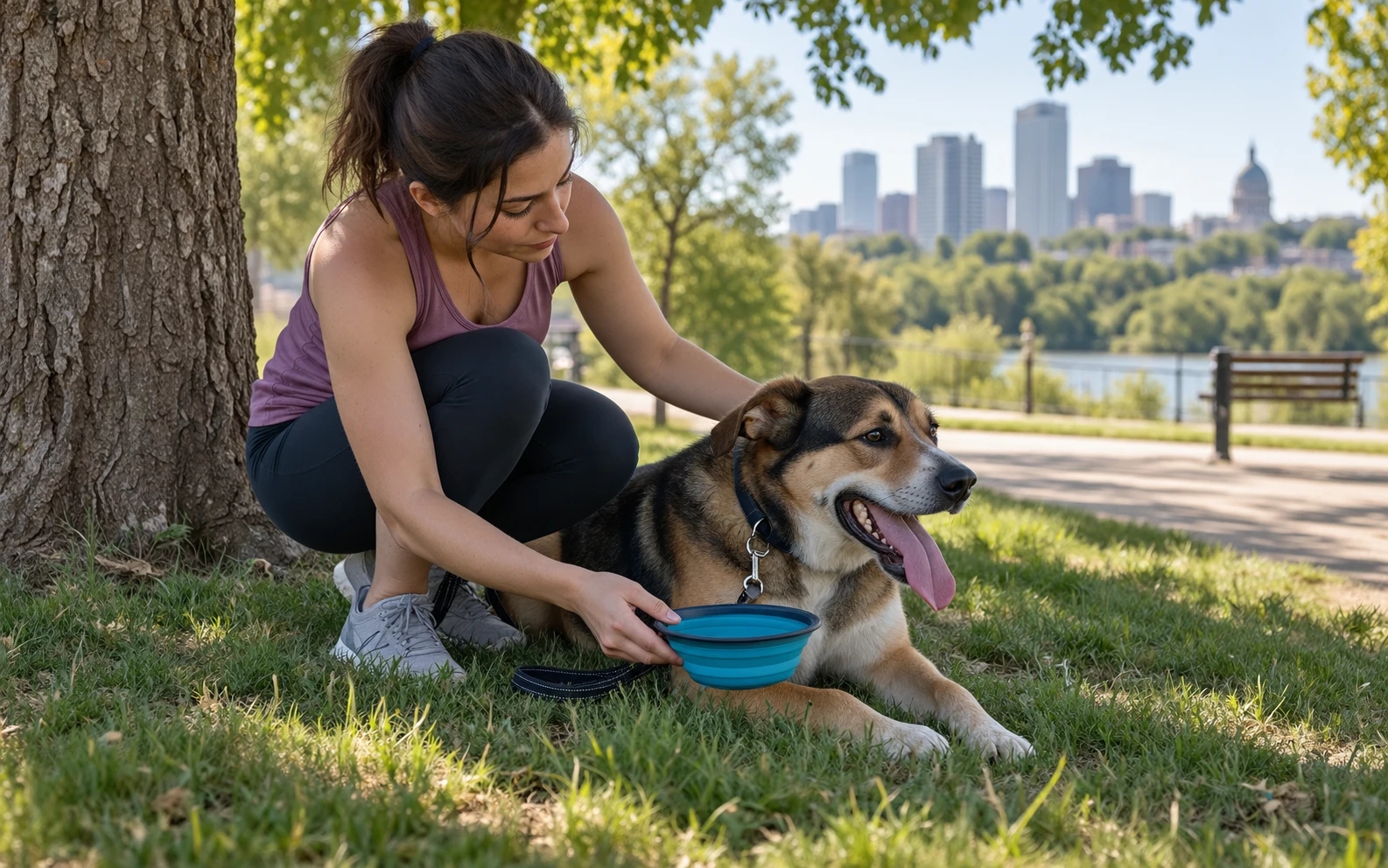
A dog that seems unusually tired after a summer walk may be experiencing more than simple exhaustion overheating can progress into a life-threatening emergency faster than many pet owners realize. For Edmonton pet owners, warm summer days can mean longer walks, backyard play, trips to parks, and more time outdoors. But rising temperatures also bring an important health risk: heatstroke in pets.
Dogs and cats cannot regulate heat as efficiently as humans. Dogs rely heavily on panting, while sweating through their paw pads provides only limited cooling. When these mechanisms cannot release heat quickly enough, body temperature can rise to dangerous levels. Knowing the warning signs, understanding which animals face greater risk, and knowing what to do in an emergency can make a critical difference.
Heatstroke is a dangerous form of hyperthermia that develops when an animal's body becomes excessively hot and can no longer cool itself effectively. A dog's or cat's normal body temperature is generally around 100–102.5°F (37.8–39.2°C). Heatstroke is generally associated with body temperatures reaching dangerous levels, often above 104°F (40°C).
This is different from a fever. A fever is generally the body's regulated response to illness or inflammation, while environmental or exertional heatstroke occurs when excessive heat overwhelms the body's ability to regulate temperature. Heatstroke is a veterinary emergency because prolonged hyperthermia can damage multiple organs.
Edmonton is well known for its cold winters, which can sometimes make summer heat risks easier to underestimate. However, pets can still become dangerously overheated during warm weather. The City of Edmonton specifically recommends taking extra hot-weather precautions with dogs, including providing plenty of water, exercising during cooler periods, avoiding hot pavement, and never leaving pets inside hot vehicles.
A pet doesn't necessarily need to spend hours outside before developing problems. Risk depends on temperature, humidity, exercise intensity, ventilation, access to shade and water, and the individual animal's health. Even a relatively short period of heat exposure can become dangerous for a susceptible pet.
Recognizing the early signs of heatstroke in dogs gives owners an opportunity to act before the condition becomes more severe.
Watch for:
Panting by itself does not automatically mean a dog has heatstroke. Dogs normally pant after activity or when they are warm. The concern increases when panting is extreme, persistent, or accompanied by weakness, vomiting, confusion, abnormal gums, difficulty walking, or collapse.
As overheating becomes more severe, symptoms may progress to:
These signs should never be treated as something to simply "watch overnight." For a broader checklist, see our guide on the top signs your pet needs emergency care. A pet showing neurological signs, collapse, severe breathing difficulty, or other signs of significant heatstroke needs immediate veterinary attention.
Imagine taking your dog for an afternoon walk on an unexpectedly warm Edmonton day. Your dog begins panting heavily and repeatedly slows down. Instead of wanting to sniff and explore, the dog looks for shade and tries to lie down.
Those behavioural changes are important. Early pet overheating symptoms can sometimes be subtle. Pay attention not only to panting but also to changes in your pet's normal behaviour.
Ask yourself:
Do not encourage an overheated dog to "push through" a walk or exercise session. Stop the activity and move the animal somewhere cooler.
Cats can also develop heatstroke, although their signs may be less obvious because many cats spend more time indoors and tend to hide illness. Potential warning signs include excessive grooming, restlessness, drooling, weakness, vomiting, rapid breathing, lethargy, confusion, collapse, or unusual open-mouth breathing.
Open-mouth breathing or panting in a cat is not considered normal in the same way it can be in dogs and warrants prompt attention. Indoor cats can still overheat if they are confined to an excessively hot room, enclosed sunroom, garage, poorly ventilated area, or another space without adequate cooling and water.
Any dog or cat can develop heatstroke, but certain animals require additional precautions.
Brachycephalic breeds have shortened muzzles and airway anatomy that can make effective panting and heat dissipation more difficult
Higher-risk examples include:
These pets can experience heat-related problems even when conditions do not seem exceptionally hot to their owners.
Older pets may have underlying medical problems or reduced physiological resilience, while puppies and kittens have less mature temperature-regulation systems. Both groups deserve additional monitoring during warm weather.
Excess body fat can make heat dissipation more difficult. Overweight animals may also become exhausted more quickly during physical activity.
Animals with respiratory, cardiovascular, kidney, or other chronic health conditions may have a reduced ability to tolerate heat. Discuss safe summer exercise with your veterinarian if your pet has an existing medical condition.
If you suspect heatstroke in your pet, treat the situation as an emergency. The goal is to begin safe cooling while arranging veterinary care not to spend a long period trying home remedies to see whether the animal improves.
Immediately move your pet away from direct sunlight or the hot environment. Bring them into an air-conditioned building, shaded area, or another cool and well-ventilated location.
Call your veterinarian or an emergency vet for heatstroke and explain what happened, your pet's symptoms, how long they were exposed to heat, and any first-aid measures already taken. Veterinary evaluation remains important even when a pet appears better after cooling because heatstroke can affect internal organs and blood clotting.
Use cool or tepid water not ice-cold water to wet your pet while arranging transportation.
A fan can help encourage evaporation and cooling. Avoid extreme cooling methods such as immersing an overheated pet in ice water. Excessively aggressive cooling can interfere with normal heat dissipation and potentially cause additional complications.
If your pet is alert and capable of drinking normally, small amounts of cool water may be offered. Do not force water into the mouth of a confused, collapsed, vomiting, seizing, or unconscious animal because of the risk of aspiration.
Do not assume that cooling at home has completely solved the problem. Severe heatstroke can result in dehydration, gastrointestinal injury, kidney damage, abnormal blood clotting, neurological problems, shock, and other systemic complications. Cooling is first aid; it is not necessarily complete treatment.
Panic can lead owners toward aggressive cooling methods that aren't necessarily safer.
Avoid:
When severe symptoms are present, speed and appropriate veterinary care matter.
Prevention should be a central part of summer pet safety in Edmonton.
Plan exercise for cooler periods, particularly mornings or evenings, rather than the hottest part of the day. Shorten walks when temperatures rise and adjust exercise according to your individual dog's age, breed, fitness, and medical history.
Pets should have reliable access to clean drinking water during hot weather. Bring portable water on longer walks, hikes, road trips, and outdoor activities instead of assuming water will be available.
Shade helps reduce direct solar exposure, but a shaded location can still become dangerously hot if ventilation is poor. Outdoor pets should always have water, airflow, and the ability to move into a genuinely cooler environment.
This deserves special emphasis. A parked vehicle can become dangerously hot within minutes, even when the weather outside doesn't seem extreme. Opening the windows slightly does not make a hot vehicle reliably safe. The City of Edmonton advises residents to leave dogs at home while running errands during hot weather because vehicle temperatures can rapidly reach dangerous levels.
Heat affects more than core body temperature. Asphalt, concrete, and sand exposed to direct sunlight can become hot enough to injure paw pads. Check the surface before taking your dog on a long walk and choose shaded routes or cooler times when necessary.
Not necessarily. A dog's coat can provide insulation and some protection from sunlight. The City of Edmonton advises regular brushing during shedding periods and notes that shaving a dog is generally not recommended simply as a hot-weather solution. Coat care should depend on breed and coat type. If you're unsure whether trimming is appropriate, ask your veterinarian or a qualified groomer familiar with your dog's coat.
Heat stress can be viewed as an earlier stage of overheating. A pet may pant excessively, seek shade, develop thick saliva, or become reluctant to continue exercising. If the heat exposure continues and the body cannot compensate, the condition can progress into heatstroke.
Heatstroke is far more serious and can involve vomiting, diarrhea, neurological abnormalities, collapse, seizures, and organ injury. The safest approach is to respond during the early overheating stage rather than waiting for dramatic symptoms.
Pet owners don't need to avoid summer activities altogether. Instead, adapt them to the weather.
Before heading outside, consider:
For example, a healthy young dog taking a short morning walk may tolerate conditions very differently from an overweight senior Bulldog exercising in direct afternoon sun. There is no single "safe temperature" that applies equally to every pet.
Pet heatstroke in Edmonton is preventable in many situations, but once severe overheating develops, it can become a medical emergency. Excessive panting, drooling, unusual weakness, vomiting, confusion, difficulty walking, collapse, or seizures should never be ignored during or after heat exposure.
Build your summer routine around cooler walking times, constant access to fresh water, shade, ventilation, and your individual pet's heat tolerance. Most importantly, know your pet's normal behaviour so you can recognize when something has changed. If your pet begins showing signs of serious overheating, move them somewhere cool, begin safe cooling, and contact a veterinarian or emergency veterinary hospital promptly. Acting early is far safer than waiting to see whether severe symptoms resolve on their own.